
When Is Your Retirement Ripe? 7 Signs You May Be Ready to Retire
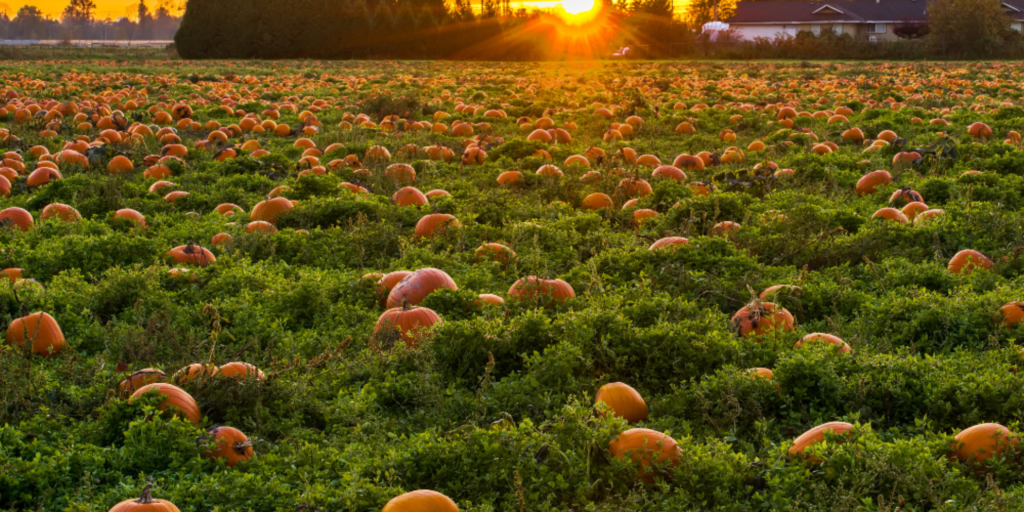
October is pumpkin season. Walk into almost any grocery store and you’ll see them stacked outside—small pumpkins, giant pumpkins, oddly shaped pumpkins and the occasional perfect pumpkin waiting to become a jack-o’-lantern.
It got me thinking:
How do you know when your retirement is ripe?
Unlike a pumpkin, retirement doesn’t come with a convenient sticker telling you, “Ready!” And there isn’t one magic age when everyone should retire. For some people, 62 feels right. For others, 65 or 67 makes more sense. Some people continue working into their 70s because they enjoy what they do.
The real question isn’t “What age should I retire?”
It’s: “Is my financial plan ready for retirement?”
A Ripe Retirement Starts With Dependable Income
One of the biggest changes when you retire is the transition from earning a paycheck to creating your own income strategy. Your retirement may include Social Security, a pension, investments, retirement accounts or other sources of income. The question is whether those pieces can work together to support the lifestyle you want.
SF Financial Services describes its approach as starting with a client’s dreams and building a practical, step-by-step plan around them. That’s the foundation of being Retire Financially Fit.
Seven Signs Your Retirement May Be Ripe
- You Know What Retirement Will Cost
You don’t need to predict every dollar you’ll spend for the next 30 years.
But you should have a realistic understanding of your essential expenses, lifestyle expenses and the things you want to do once work is no longer the center of your financial life.
Travel may increase.
Healthcare costs may change.
You may spend more on hobbies—or less.
Retirement is personal, so your budget should be personal, too. - You Have a Retirement Income Strategy
This is where retirement gets very different from the accumulation years.
Instead of asking, “How much have I saved?” start asking: “How much reliable income can my plan generate?”
Morningstar’s 2026 State of Retirement Income research examines sustainable withdrawal rates, market and spending shocks, inflation, taxes and dynamic spending strategies. Its current base-case research indicates a 3.9% starting withdrawal rate under its stated assumptions. That doesn’t mean 3.9% is a magic number for every retiree. It isn’t. Your appropriate strategy depends on your age, spending, portfolio, other income sources, market conditions and goals. - You Understand Your Social Security Options
Social Security can be an important piece of retirement income. You can generally begin retirement benefits at age 62, but claiming before full retirement age reduces your benefit. Waiting beyond full retirement age can increase your benefit until age 70. That doesn’t mean everyone should wait until 70. It means the decision deserves thoughtful consideration. - You’ve Planned for Healthcare
Medicare is important, but healthcare planning doesn’t begin and end with Medicare. If you’re retiring before 65, how will you pay for health coverage? What happens if healthcare expenses are higher than expected? What about long-term care? A retirement plan should account for the possibility that your healthcare needs will change. - You’ve Considered Market Risk
This becomes especially important as you approach retirement. During your working years, a market downturn may give your portfolio time to recover while you’re still earning and contributing. In retirement, you may be withdrawing money at the same time the market is declining. That can change the equation.
Morningstar’s current retirement-income research specifically examines how market and spending shocks can affect sustainable retirement strategies. - Your Retirement Plan Has Room for Real Life
A retirement plan shouldn’t be so tight that a family visit, new roof or vacation completely derails it.
Life happens.
Your plan needs flexibility. - You Know What You’re Retiring To
This may be the most overlooked sign.
What will you do with Monday morning?
Where will your time go?
Who will you spend it with?
What matters to you?
Retirement isn’t simply an exit from work. It’s an entrance into a new stage of life.
Don’t Carve the Jack-o’-Lantern Too Early
There is no prize for retiring before you’re financially ready, and there is no prize for working longer than necessary if your plan is already prepared and you’re ready for the next chapter.
The goal is to get the timing right.
My “Safety First” philosophy grew from seeing what can happen when people enter retirement without adequately preparing for market risk. That experience shaped my commitment to helping families think strategically about every stage of retirement.
So, when you look at your retirement plan this fall, don’t ask whether you’re a certain age. Ask whether your retirement is ripe.
Do you have an income strategy?
Have you accounted for healthcare?
Do you understand your Social Security options?
Have you considered market risk?
And most importantly, does your financial plan support the life you want to live?
If the answer is yes, you may be closer to retirement than you think.
If the answer is no, that’s valuable information, too.
Sometimes the smartest retirement decision isn’t retiring sooner. It’s taking the time to get your plan ripe.
This article is for educational purposes only and does not constitute individualized investment, tax, Social Security or legal advice.
“Investment advisory services offered through Brookstone Wealth Advisors, LLC (BWA), a registered investment advisor and an affiliate of Brookstone Capital Management, LLC. BWA and SF Financial Services are independent of each other. Insurance products and services are not offered through BWA but are offered and sold through individually licensed and appointed agents.”October is pumpkin season. Walk into almost any grocery store and you’ll see them stacked outside—small pumpkins, giant pumpkins, oddly shaped pumpkins and the occasional perfect pumpkin waiting to become a jack-o’-lantern.
It got me thinking:
How do you know when your retirement is ripe?
Unlike a pumpkin, retirement doesn’t come with a convenient sticker telling you, “Ready!” And there isn’t one magic age when everyone should retire. For some people, 62 feels right. For others, 65 or 67 makes more sense. Some people continue working into their 70s because they enjoy what they do.
The real question isn’t “What age should I retire?”
It’s: “Is my financial plan ready for retirement?”
“Investment advisory services offered through Brookstone Wealth Advisors, LLC (BWA), a registered investment advisor and an affiliate of Brookstone Capital Management, LLC. BWA and SF Financial Services are independent of each other. Insurance products and services are not offered through BWA but are offered and sold through individually licensed and appointed agents.”