
Why Many Women Face Retirement Alone
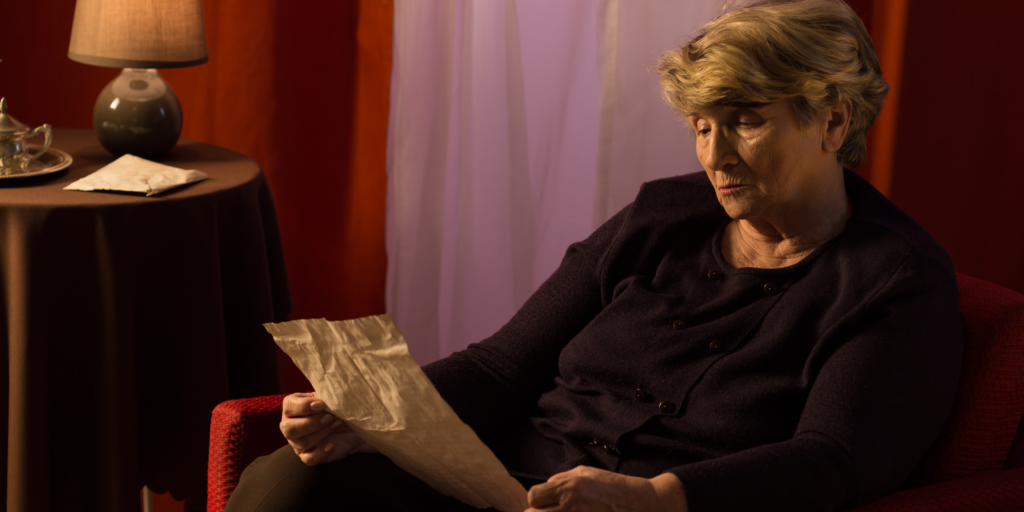
Mother’s Day has a way of bringing certain things into focus.
It’s a time when we reflect on the role women have played in our lives. The steady presence, the sacrifices, the decisions made behind the scenes that kept everything moving forward. For many families, mothers were the ones holding things together, often without much attention to what it might mean for them later on.
What doesn’t always get talked about is how those same choices shape retirement.
For many women, retirement doesn’t unfold the way it was once imagined.
There’s a quiet assumption that it will be shared. Shared income, shared decisions, shared responsibility. It’s the picture most couples build toward over time. But in reality, a large number of women find themselves navigating this stage of life on their own, sometimes gradually, sometimes unexpectedly.
And when that shift happens, it changes more than just the day-to-day. It reshapes how income is managed, how decisions are made, and how secure retirement feels moving forward.
Longer Lives, Different Timelines
One of the biggest factors behind this is simple, but often overlooked. Women tend to live longer than men.
That reality means that even in long, stable marriages, there’s a strong likelihood that one spouse will eventually be left managing finances alone. What once felt like a shared plan becomes an individual responsibility.
It’s not something most people like to think about, but it’s something that needs to be acknowledged early. Planning as a couple is important, but strong plans also account for what happens when one person is no longer there to share the decisions.
The Impact of Putting Others First
For many women, the path to retirement includes years spent focusing on others.
Raising children, supporting a spouse’s career, caring for aging parents. These are not small decisions. They shape families, careers, and lives.
They also have long-term financial effects.
Over time, these choices often lead to:
- Lower lifetime earnings
- Fewer contributions to retirement accounts
- Reduced benefits through the Social Security Administration
None of this means retirement is out of reach. But it does mean the plan needs to be built with those realities in mind.
One of the most effective ways to address this is by being intentional about how assets are structured as a household. Not just whose name they’re in, but how they will produce income later on.
When the Roles Change
In many households, one person naturally takes the lead on financial decisions. The other stays informed, but may not be involved in every detail.
That works until life changes.
When it does, the shift can feel sudden. Decisions about investments, income, and taxes are no longer shared. They fall on one person, often during a time that is already emotionally difficult.
This is one of the areas where preparation can make a meaningful difference.
Both spouses should have a clear understanding of where accounts are, how income is generated, and who to turn to for guidance. Not just in theory, but in a way that feels familiar and usable.
Because confidence doesn’t come from being told everything will be fine. It comes from knowing how things actually work.
Income Looks Different Than Expected
When retirement becomes a single-income situation, the numbers change quickly.
Often, one Social Security benefit replaces two. Pension income may shift depending on how it was structured. Investment withdrawals may need to increase to fill the gap.
At the same time, many expenses remain steady.
Housing, insurance, healthcare. These costs do not adjust as much as people expect. That’s why income planning becomes so important.
It’s not just about having assets. It’s about knowing how those assets turn into reliable income that can support one person over time.
Taxes and Healthcare Still Matter
Another area that often gets overlooked is how taxes change.
Filing jointly offers more flexibility. Filing as a single individual narrows those brackets, which can lead to higher taxes on the same income.
This is where proactive planning matters. Looking at withdrawal strategies earlier in retirement, considering how different income sources are taxed, and evaluating options like Roth conversions can all make a difference over time.
Healthcare costs also need attention. Medicare premiums are tied to income, and even modest changes can affect what you pay.
These are not decisions that work well when made under pressure. They are far more effective when planned in advance.
Social Security Becomes Even More Important
Social Security plays a central role in many retirement plans, but it becomes even more important when income is no longer shared.
Through the Social Security Administration, a surviving spouse typically receives the higher of the two benefits. But how and when those benefits are claimed can influence what that amount looks like.
This is one of the few areas where timing can create a lasting impact on income. And yet, it is often treated as a simple decision instead of a coordinated strategy.
The Real Opportunity Is Preparation
None of this is about expecting the worst.
It’s about being prepared for a reality that many women will face at some point.
The goal is not to create fear. It’s to create clarity.
That means understanding where income will come from, how long it needs to last, and how different pieces of the plan work together. It means having a structure that works for one person, not just two.
The women who tend to navigate retirement with the most confidence are not necessarily the ones with the most assets. They are the ones who understand their situation and have taken the time to plan for different possibilities.
A Different Way to Think About Security
Mother’s Day reminds us of how much women have given to the people around them. The time, the energy, the choices that shaped entire families.
What often gets less attention is making sure they have the same level of stability and confidence later in life.
Retirement is not just about reaching a number. It’s about being prepared for whatever stage of life comes next.
And for many women, that includes a period of independence.
Planning for that doesn’t take away from today. It strengthens what comes after. It allows decisions to be made thoughtfully instead of urgently, and it replaces uncertainty with direction.
If this is something you haven’t fully explored yet, now may be the right time to look at your plan through that lens.
Call Barb Swiatek at 719-597-2179 to take a closer look at your plan.